This is a rare must-read. Last week’s C-Ville had a remarkable story about the 10th & Page neighborhood.
Take the time. Read the whole thing.
Sharon Jones’ childhood home no longer exists. It was in an area of Charlottesville called Gospel Hill, which also no longer exists. “My two brothers and I were born there,” says Jones, who was born in 1962. Around that time the rapidly expanding University of Virginia bought the dozen or so houses in the predominantly African-American neighborhood, and bulldozed them. The UVA Hospital stands in its place now. The family moved less than a half mile away to Page Street, one of the only areas in the city where white people did not use racial ordinances, neighborhood covenants and zoning laws to prevent them from living there. The neighborhood, known as 10th and Page, is the city’s largest continual African-American community.
Now, as Charlottesville faces a city-wide housing crisis, 10th and Page is reckoning with a massive tide of gentrification. A 2016 comprehensive housing analysis by Robert Charles Lesser & Co. found that Charlottesville’s upper-income earners are buying houses at lower prices than they can afford, preventing middle-income people from buying those same houses. It creates a trickle-down effect, where middle-income earners buy houses that lower-income residents can afford, leaving the lowest income earners with few housing options.
The City of Charlottesville is changing, as are many parts of the country. The 10th and Page area is much different now than it was when I was a kid ~20 years ago, and continues to be gentrified.
Driving down West Main, those who went to school as kids and left, they’d not recognize it today.
Over the last several years, two giant student housing structures have been built along West Main Street, along the neighborhood’s south side, with a third building currently under construction. The massive towers loom over 10th and Page, and add nearly 900 units to the city’s housing market. But instead of making any of these apartments affordable for families making less than $50,000 a year, and creating a mixed-income housing complex, the developers and property managers—based in Georgia, Florida, Chicago and Singapore—opted to pay into the city’s affordable housing fund.

Interested in Learning More?
I have been been representing buyers and sellers in Charlottesville, Albemarle, and Central Virginia since 2001. Get local insight born of experience.
Dig Deeper
Talking Real Estate Matters – Interest Rates and Midterm Elections
I was on Michael Guthrie’s radio show, Real Estate Matters, last week. As I’ve started doing, I had Granola (AI note app) running, so I could focus on the conversation instead of going back and listening to take notes. I find great value in conversations…
Charlottesville-Albemarle Real Estate Market Shifting – October 2026
This is a different blog post than usual as it's a recounting of a recent conversation with a client, supplemented by market data. A client called me this week and asked, "What's going on in the Charlottesville - Albemarle market?" If you have questions about…
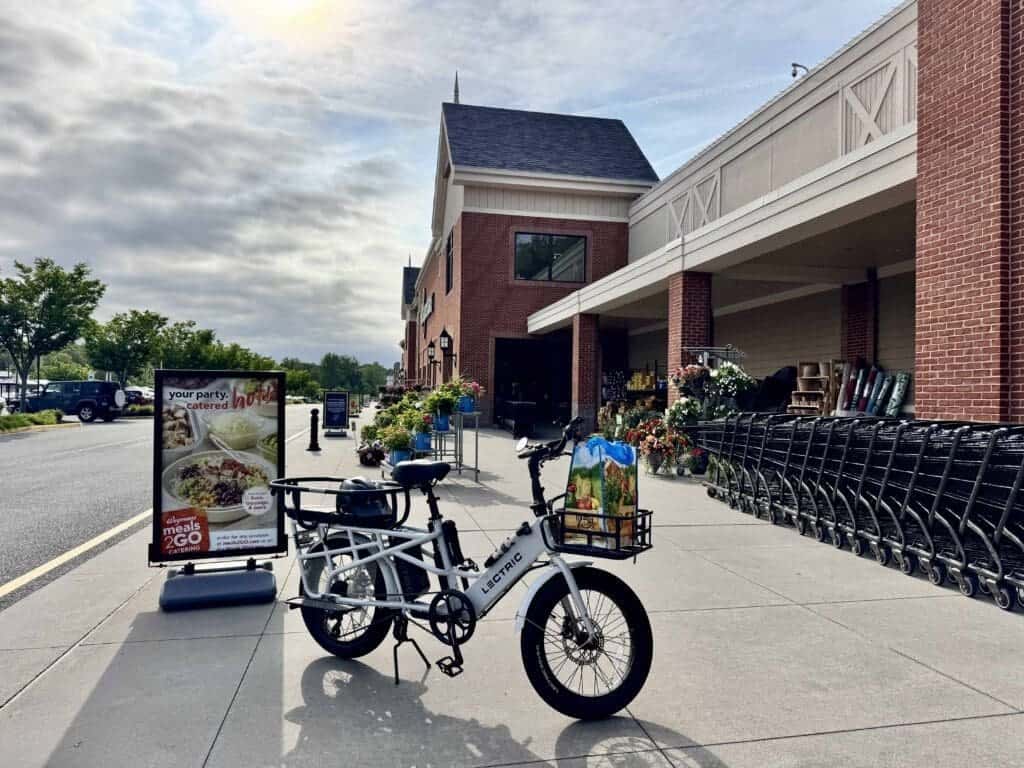
A Charlottesville e-bike Success Story
I have an e-bike. I love my e-bike. I ride it to meetings all over the City of Charlottesville instead of driving my car. e-bikes are great. A friend got an e-bike. He loves his e-bike. He has a different perspective, and I asked him…

e-bikes are good
"I want to get an e-bike." The mobility just seems incredible." And it is. A friend made that comment recently on one of my Strava e-bike commuting rides. It's possible to ride an e-bike around Charlottesville and the immediate urban ring of Albemarle County. Mostly…