There was a conference I went to years ago and the theme was that it was for “doers,” not those who talk or write about real estate. I loved that conference.
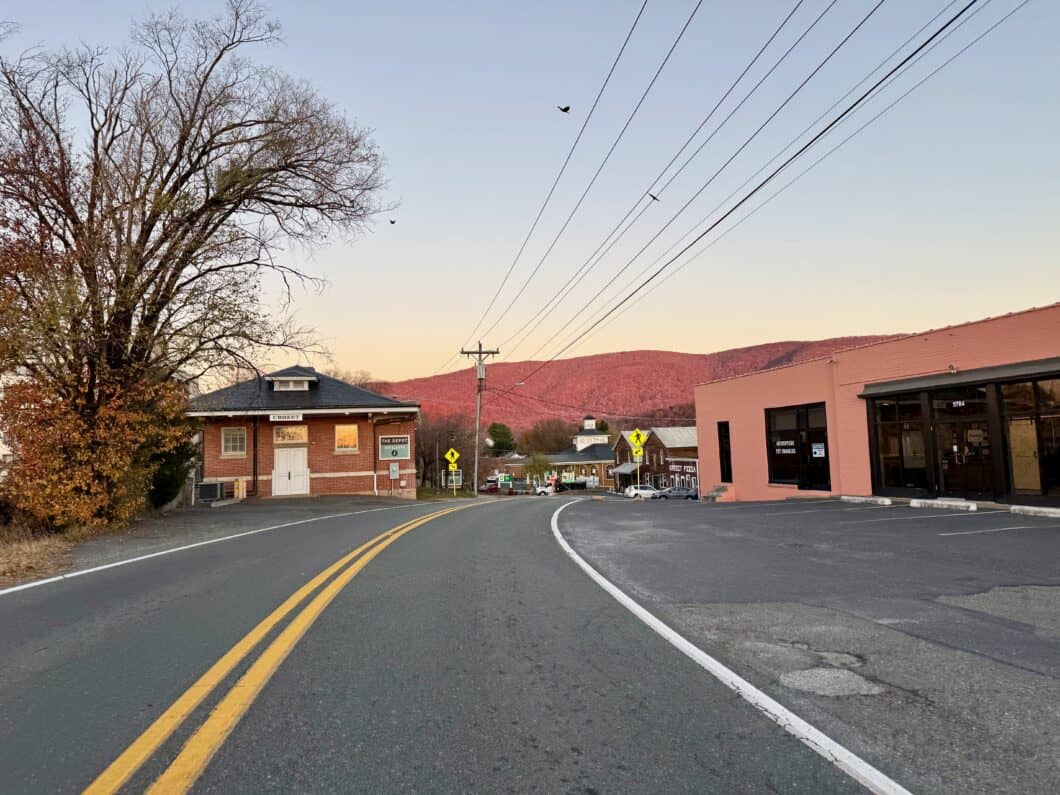
This post is inspired by the act of showing houses to buyers in Charlottesville and Albemarle.
Buyers in our market now have options. Choices. Less pressure to decide right. now. And it’s great.
A lot of the homes I’ve shown recently have been vacant.
So I got curious.
46% of active/pending resales in Albemarle + Charlottesville are vacant.
Showing my work.
- All Active + Pending
- Charlottesville + Albemarle. That gives us 827 results.
- Not New Construction. We have 505 homes.
- 232 are listed as “Occupied By” = “Vacant.”
Relevant Historical Context:
In 2012 I wrote Vacant Homes in Charlottesville MSA – 2012 Update.
The last time I checked, the percent of homes on the market in the Charlottesville MLS that showed as being “vacant” in the showing instructions was about 22%. In 2008, that percentage was about 33%. In 2007, that percentage was 36%!
Right now, there are:
– 2271 residential properties marked as “active” in the MLS
– 525 of them are marked as “vacant”
– Simple math says that 23% of the active inventory is vacant.
This means (at least) three things:
- There might be some motivated sellers out there.
- I assume this from 2008 is still relevant. “Vacant homes are a concern for insurance companies. Homes that are vacant are at higher risk for several things, such as vandalism and theft. A leaking pipe that otherwise would not be much trouble could turn into a big problem if left unattended. The first thing a homeowner needs to do is call their insurance company before the house becomes vacant to go over the different options they have.
If the company is not notified, the policy could be cancelled if they find out, and a claim could be denied because of this as well.” - Realtors need to look out for each other and the owners. One house I showed the other day had a gas leak. I called the agent, and the gas company came over almost immediately to address it.
Also relevant from the 2012 post:
– What about the shadow inventory? What happens when prices start to rise (and in some parts of our market prices are rising) — and banks start releasing the massive inventory they are currently holding to the market?
– What if housing/homeownership is done for a generation?
– What if 90% of those homes that used to be vacant are now part of the rental inventory and not the resale inventory? (not that that’s a bad thing)