
#189
My notes are where I put my best writing, where I encourage you to subscribe as it’s only the one email a month, and I do my level best to write each note as if I’m writing it to one person – you (and me, because if I don’t find what I’m writing interesting, I’m bored, too!) The Monthly Notes Archives category is where all of my notes live
Please subscribe here if you’re interested. For now, I’m writing the notes on Substack, but I archive all of them here; similar to how I advise my clients: I own RealCentralVA, have agency and control here. Whenever I move on from Substack, my writing will always be here. (see the end of the note for some shocking to me stats on how the internet is deteriorating)
The weather is hot, and getting hotter. Welcome to the coolest summer for the rest of your life.
This month: Cleaning houses and karma, riding bikes to show houses, charting the market, intentionality in moving around, and a few things that I’m reading and listening to.

Clean Houses are Important
“I’m so mad at these people!” can become “They tried. Moving sucks, and we get it. At least they had it cleaned. Yay!”
Having your empty house cleaned before the walkthrough can be the best $500 you spend.
Part of an email I sent to a seller:
The two big questions that I’ve started explicitly asking this year (I’ve stopped assuming. 🙂 ) —
1. Is everything out of the house?
2. Is the house clean?
And
3. What questions do you have?
Another seller sent this in response to my email request:
The cleaners were there today.
We had left it broom clean, but we recently moved into a house that the sellers had left SPOTLESS, and I was so grateful I honestly just wanted to pay it forward.
Bolding because karma is real. If there are a couple little things at the final walkthrough that the buyers are mildly annoyed by, a professionally-cleaned house can often smooth out those annoyances.
Riding bicycles to show houses
Clients rode bicycles with me for the first time in 2011. While I’ve probably done this less than a dozen times since, it remains my favorite way to show houses.
Just last month, a client and I rode to three houses, and they chose the one that was the most-connected, closest to the stuff that mattered to them. The ride to the other two was just a tiny bit further than the one they chose, but the ride mattered, and was the deciding factor.
Intentionality when moving around
Not having a car leads to more thoughtfulness when moving around.
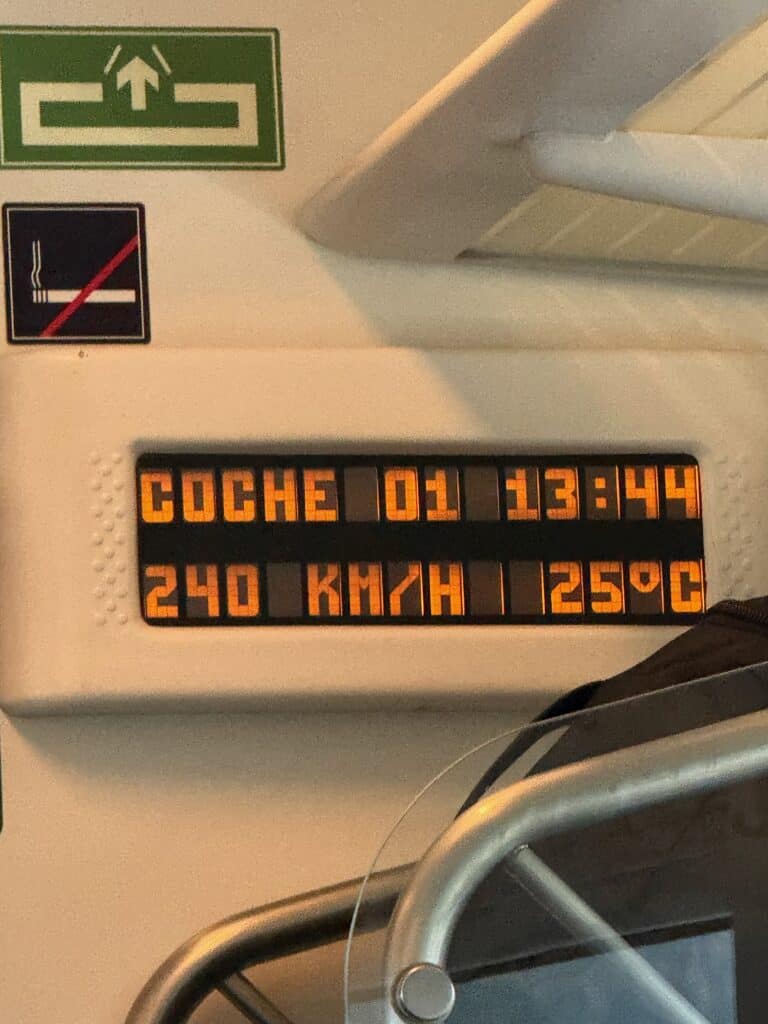
- When my wife and I travel, we very rarely rent a car; we depend on trains, buses, and walking. So much walking. Every day.
- When I have my “I’m taking the bus from Crozet to Charlottesville” days, I do have my e-bike, and I also walk from the bus stops to my office.
- When walking places, you think about how to get there, and you experience the conveyance if you will: the sounds, the smells, the smoothness of the pavement, the rises in the sidewalks, if you’re lucky enough to have them.
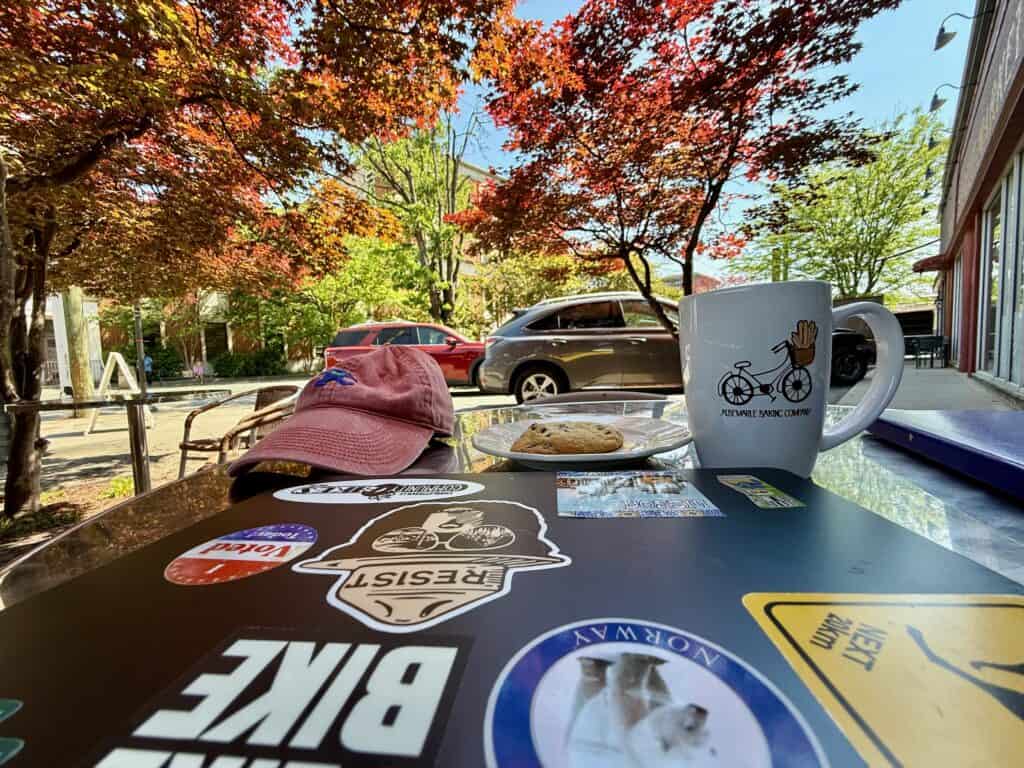
If you walk or ride frequently enough, you’ll stop and spend more money at, and get to know the people at, the local shops. (As I write this sitting outside Albemarle Baking Company, I said hello to a client and their kids.)
Two more thoughts on not being trapped in a car:
- A few weeks ago, I was riding my bike to a final walkthrough, and stopped to see a client in her yard to say hi. A few weeks later, a friend of hers reached out to me about buying a house.
- Last week, I did a walkthrough with a client, and another client and family stopped to say hi, introduce themselves, and mention that I’d represented them too. New friends/neighbors + clients who wanted to say hi!)
- Same day, different client, same bike. While walking into the house, another client ran by, and said hi.
Had we been in cars, that little bit of humanity and connection would have not happened.
If it’s available to you, walk more. Ride more. Say hi to more people. Eat more pastries. 🙂
I’m not going to pretend a bike ride fixes the community or the climate. It doesn’t. But the coolest summer of the rest of your life and the best way to actually know your neighbors and your neighborhoods turn out to be the same short list — walk, ride, take the train.

Don’t Break the MLS
Last month I wrote about the efforts to break the MLS. I was grateful to receive this email:
Just had to say you were spot on in your most recent post about Zillow, where your clients described the real estate situation in France. It is the freaking Wild West!
I’m actively looking at options for a very small pied-à-terre in the south, and it’s amazing what passes for listings. Bad photos, incomplete information, listing information not shared unless you write for it… and worst of all, *multiple listing agents from different companies can list your property… at different prices.* It’s nuts and it makes me appreciate Zillow more.
(Jim’s comment: And the MLS, as that’s where Zillow, Homes, Realtor, et al get most of their inventory.)
Just wanted to share because your post made me laugh. And if/when my move plans become more than “thinking out loud,” I’ll definitely reach out for local advice. (The second home in France would be “ an and not an or” to full-time retirement in the Charlottesville area.)
That’s the preview. Every listing a different price on a different site, half the information missing, you writing to agents just to learn the basics. That’s what breaking the MLS looks like, and it’s a mistake.
Next month – more on this. It’s not over yet.
Charting the Market
People ask me what the market’s doing. Text, then charts. I tried to be succinct; when I get curious though …
Yes:
- Inspections are back. Buyers aren’t (broadly) waiving them to win anymore.
- Cash is still prevalent — about a third of sales, up from a fifth in 2020 — near a 15-year high.
- Homes are still selling.
- Days on market are up. The typical home takes about 17 days to go under contract now, versus 10 a year ago.
No:
- No, not everything sells with five offers the first weekend.
- No, you don’t necessarily have to go over asking with an escalation clause to win.
- No, the market is not crashing.Part of me wishes there was a “the Charlottesville real estate market is X.” The other part relishes the nuance — the variability in prices, velocity, what’s around the corner, what value X offers if you do this, and what value is found in waiting, which is now finally an option for a large part of the market.
If you’ve been reading headlines and bracing for one of the extremes — the frenzy or the crash — neither is happening here. Our market is more nuanced than that.
Next month, the whole thing: the market as if you just landed here.
Today, two charts and a few more words.
(click to embiggen)

Cheaper should mean faster. It doesn’t. The move-up bands move quickest — $400–750K and $1M–1.5M, roughly 44–45% under contract inside ten days. Entry-level drags. And there’s a soft spot at $750K–1M that’s slower than the homes a notch above it. Price does not necessarily tell velocity.

Cash may be king, but, under $600K, cash closes a bit below list. Go up in price point and that edge thins to nothing; by the top of the market, cash and financed buyers pay about the same. The discount is the story, and it shrinks as the price rises. – question for you: why do you think this is?
And even this is too broad. “That neighborhood is doing X” — which segment? Townhouse? Villa? Detached? New or resale? How old?
When I do the analyses, I try to let the data speak, and the story can street by street.
The data is the fun part, the frustrating part, and the part that pulls emotion out of the equation.
I wrote a market recap for the quarterly Reddit real estate AMA, if you want a slightly different and deeper dive into the market, and some great questions (and hopefully some equally great answers)
The best way to know? Ask me. I’m meeting with clients soon who are 5 years in their home and looking to the next stage of their lives. An hour or two together will help us define and refine both the sale and the purchase steps.
Answering this question from a reader about renting
… what website should I go to in order to see houses for rent? I think we will have to rent for likely a year before we buy so we all settle in, learn our way around, the neighborhood offering, Crozet or CVille, etc. and Zillow seems to at least give me an idea of what you pay for 3+ bedrooms for rent. If I want to see what houses cost and what money buys for the size we want, is it MLS? Or are there others?
Short answer:
Zillow, Blue Ridge Apartment Council, Craigslist, word of mouth, and probably Facebook. The MLS is more focused on listing homes for sale than for rent; we have a few, but not many.
Really. Ask me – 434-242-7140 or reply to this email.

RealCentralVA redesign
I do not envy those migrating my site. Holy cow, I’ve written a lot since 2005, and holy cow, the internet is decaying around us. The following is from the developer who is working to redesign and bring all the content to the new site:
“We checked all 26,454 unique outbound links in the catalog against the live web:
- 16,582 (62.6%) are live
- 7,511 (28.4%) are confirmed dead and are now handled automatically. Of those, 3,782 have a saved copy on the Internet Archive’s Wayback Machine (donate if you can) and the site now substitutes that archive link so the reference is still readable. The remaining 3,729 have no archived copy and are kept intact with light styling so the post still reads correctly.”
The internet is corrupting, dying, evolving. A reason I keep my blog is because it’s a living archive of my work, my thoughts, and a sliver of Charlottesville real estate history.
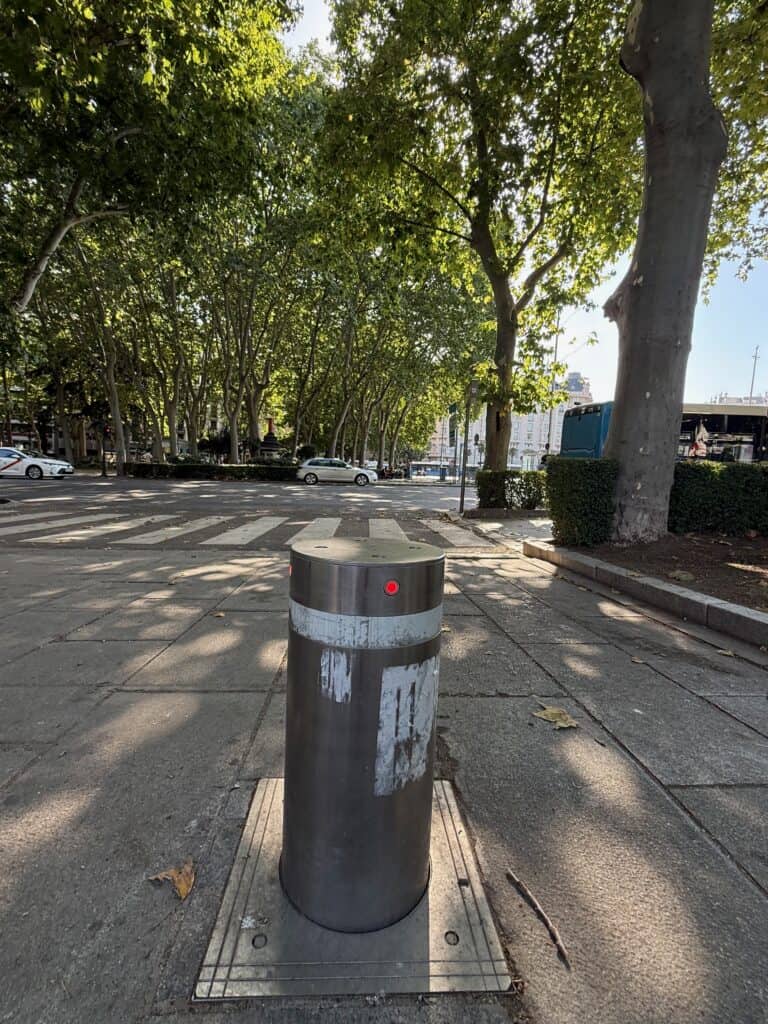
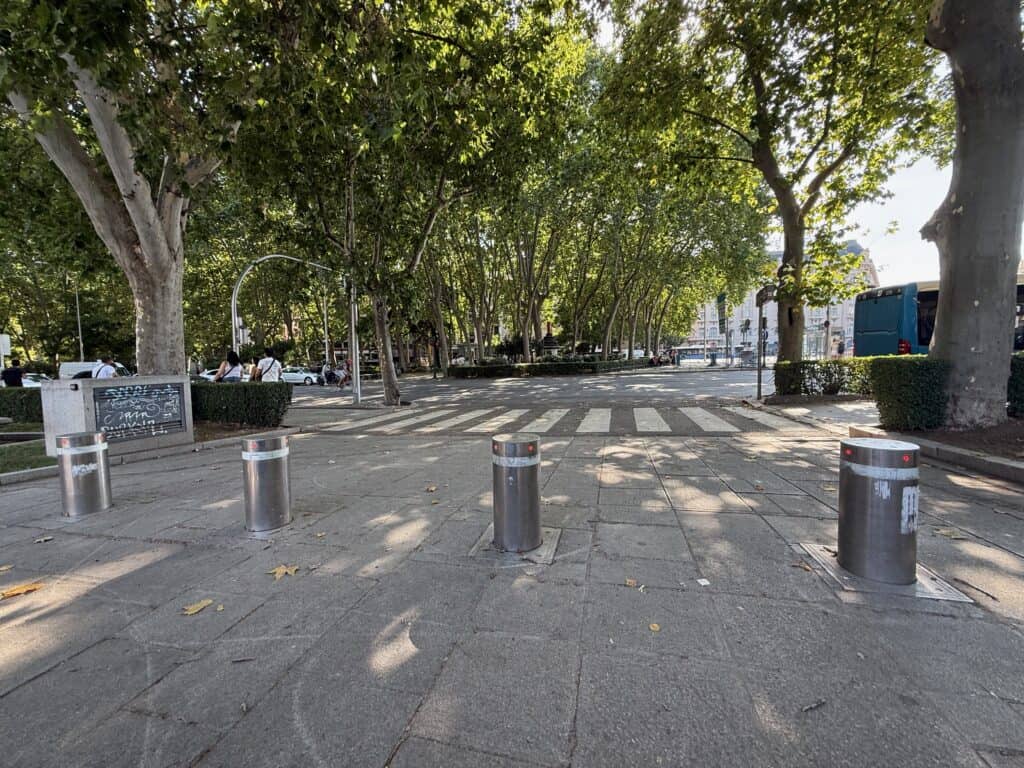
On Infrastructure & International Real Estate


What I’ve Written
- A Charlottesville e-bike success story (written by a friend and client)
- Recapping July’s Charlottesville Real Estate Reddit AMA
- Buying a house that’s “good enough’ — wrote in 2018 and sent often to clients.
What I’m Reading
- Real estate
- Aging in place is reshaping housing demand — and most homes aren’t ready
- Selling With Same Agent On Both Sides Cost Home Sellers $1.49 Billion Over Three Years
- The Crisis Behind the Housing Crisis or The Housing Crisis Is Also a Retirement Crisis – if you can’t access that, ask me, and I’ll send you a link.
- Now — about my opening line:
- On thinking for yourself
- Language is a gift. The greatest invention of all time if I do say so. Without it, nothing else would exist. – Jessica is one of the most thoughtful writers I read.
- On the issue of the american literacy crisis
- Your Brain on ChatGPT: Accumulation of Cognitive Debt when Using an AI Assistant for Essay Writing Task
- Suspecting AI cheating, Ivy League prof ordered an in-person final; scores fell 50%

What I’m Listening To
- Dambisa Moyo Says Foreign Aid Can’t Solve Problems, but MaybeCorporations Can
- Goose’s Help/Slip/Frank is good.
My younger one got an e-bike. She sent me this.

My older one asked, does she want money? 🙂
Kids. 🙂