My daughter has to do a research paper, and the topic she chose is “The Fall of the Mortgage Industry.”
Summing up the “Credit Crunch” or “Mortgage Meltdown” in two pages or less should prove quite challenging.
Two of the most salient questions she asked as we were discussing the matter –
– Isn’t that fraud?
– Why were people getting loans they couldn’t afford?
These are a few of the articles I had her read:
Subprime: Whose fault is it? (archived: 2013)
The full subprime letter from Hayman’s Kyle Bass (via Blown Mortgage (archived: 2010))
Foreclosures, Defaults and the National Real Estate Market
She just couldn’t fathom this, from Kyle Bass’ letter:
The key reason the Subprime problem exists as it does today has to do with the wanton disassociation of risk inherent in the machine that churns out Subprime loans. Unlike the S&L crisis of the 1980s, the mortgage lenders of today aren’t taking their own balance sheet risk when underwriting loans. These brokers get paid for quantity REGARDLESS of quality. The balance sheet risk is transferred through three entities in less than 90 days from origination. The originator will originate ANYTHING he can sell to a whole loan buyer to pass the hot potato on. Whole loan buyers are simply the aggregators of loans at the Wall St. firms that aggregate, package, tranche, and sell as quickly as they possibly can to the clueless buyer. This transference of risk is the crux of the Subprime situation. Just think about it -if you were a 20-something making mortgage loans in California using someone else’s balance sheet and being paid per loan (with no lookback to performance of the loan), how many dubious loans would you underwrite?
How would you explain the mortgage mess to an 8th grader?

Interested in Learning More?
I have been been representing buyers and sellers in Charlottesville, Albemarle, and Central Virginia since 2001. Get local insight born of experience.
Dig Deeper

Always Read Covenants and Restrictions
You never know what you're going to find when you dig into Covenants and Restrictions. "1. No shop, store, trailer, temporary living structure, factory, hospital, asylum, institution, tourist home or business house of any kind, and no apartment house shall be erected or maintained on…

Revisiting the “0 to 5 Buyer is Gone” Post – 15 years later
Revisiting the “0-5 Buyer Is Gone” Theory We’re in a different market now. Some of the people who bought between 2021 and 2024 are trying to sell — and the ones who bought new construction, now competing against new construction, are having a hard time.…
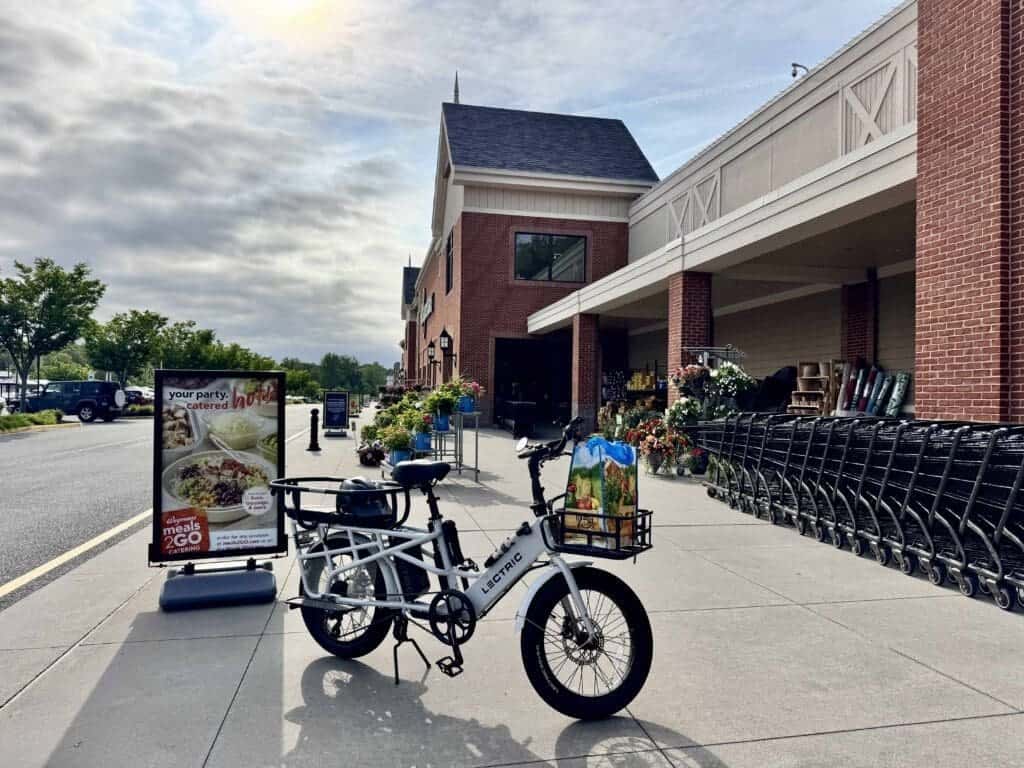
A Charlottesville e-bike Success Story
I have an e-bike. I love my e-bike. I ride it to meetings all over the City of Charlottesville instead of driving my car. e-bikes are great. A friend got an e-bike. He loves his e-bike. He has a different perspective, and I asked him…

Flipping the Switch, Part 3: ADUs, Zoning, and the Practical Guide
Flipping the Switch, Part 3: ADUs, Zoning, and the Practical Guide Part 1 covered the data. Part 2 covered the design. This week: the regulatory landscape, the ADU reality check, and the practical checklist. The ADU Conversation Has Changed When I wrote about this in…