THE STORY
From Mill Town to Main Street
Belmont wasn’t always the walkable, café-lined neighborhood it is today. In 1980, historian James H. Buck Jr. described it as “a lower middle class neighborhood” with “somewhat of a bad reputation.” His prediction that critics should “take a new and closer look at this promising neighborhood of the future” proved remarkably prescient.
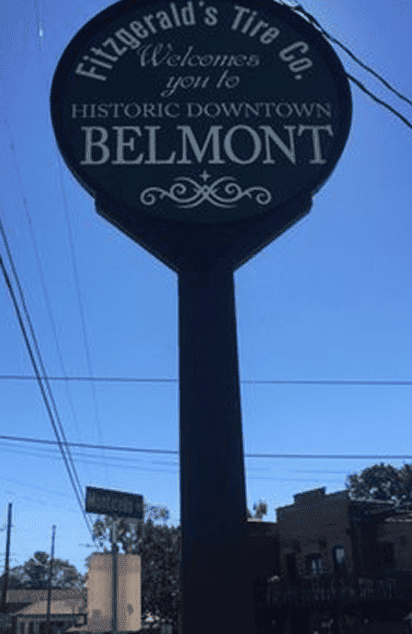
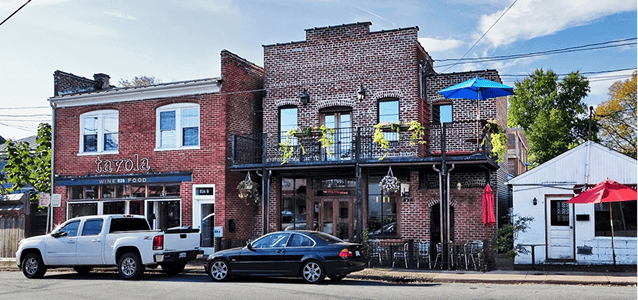
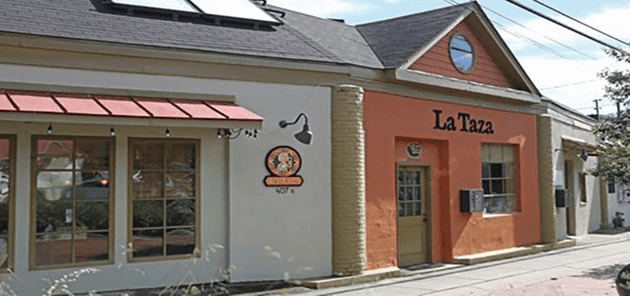
Today, Belmont represents Charlottesville’s most complete urban village — a place where you can walk to coffee, dinner, live music, and the farmers market without ever needing a car. The Victorian homes that once housed mill workers now fetch prices that would have seemed unimaginable a generation ago.
The neighborhood’s transformation mirrors Charlottesville’s broader evolution from a quiet college town to a nationally recognized destination. When Belmont homes first crossed the $400,000 threshold, it made local news. Today, that figure is closer to the entry point than the ceiling.
TIMELINE
Belmont Through the Years
-
1890s–1910s
Belmont develops as a working-class neighborhood near the Woolen Mills factory, housing the mill's workers.
-
1938
The neighborhood is annexed into the City of Charlottesville from Albemarle County.
-
1980s–1990s
Early gentrification begins as artists and newcomers discover affordable housing stock close to downtown.
-
2000s
Belmont becomes Charlottesville's "it" neighborhood. The first homes cross $400,000 — a milestone that makes local headlines.
-
Today
A mature urban neighborhood with established restaurants, shops, and a strong sense of community identity.
CHARACTER
What It’s Like to Live Here
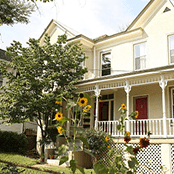
Architecture: Belmont is defined by its Victorian and Craftsman homes — front porches facing tree-lined streets, compact lots close to the sidewalk. New construction is limited; most renovation work involves restoring original character rather than adding square footage.
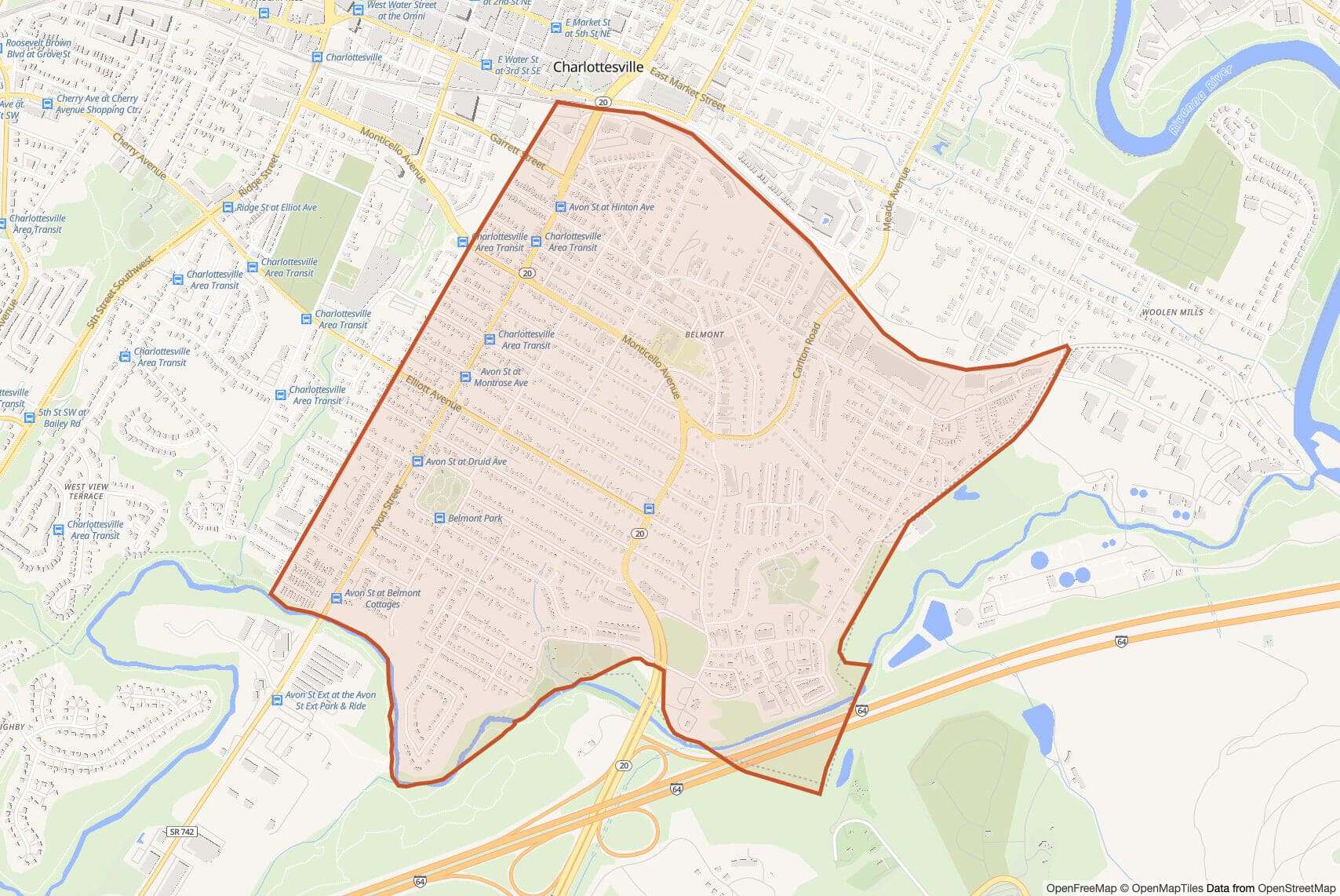
The Walk: The pedestrian bridge over the railroad tracks connects Belmont to the Downtown Mall in minutes. This simple infrastructure has shaped the neighborhood’s identity — a short walk reaches restaurants, the Paramount Theater, and Friday’s After Five concerts.
The Vibe: Casual, creative, and community-oriented — a walkable urban village built around local businesses over chains and front porches over gated privacy.
GALLERY
Scenes from the Neighborhood